Dream
Builder Construction
Systems Built for Consistent Year-Round Performance
HVAC & Electrical Contractors in Gatlinburg for residential homes, cabins, commercial properties, and hospitality buildings requiring reliable climate control and electrical infrastructure
When heating fails during a January cold snap or air conditioning stops working mid-summer, occupants lose comfort and property owners face tenant complaints or guest dissatisfaction. Dream Builder Construction provides HVAC installation, repairs, maintenance, and electrical upgrades for residential homes, cabins, commercial properties, and hospitality buildings in Gatlinburg. Coordinated service during remodels, additions, and new construction ensures that heating, cooling, and electrical systems integrate smoothly without delays or rework.
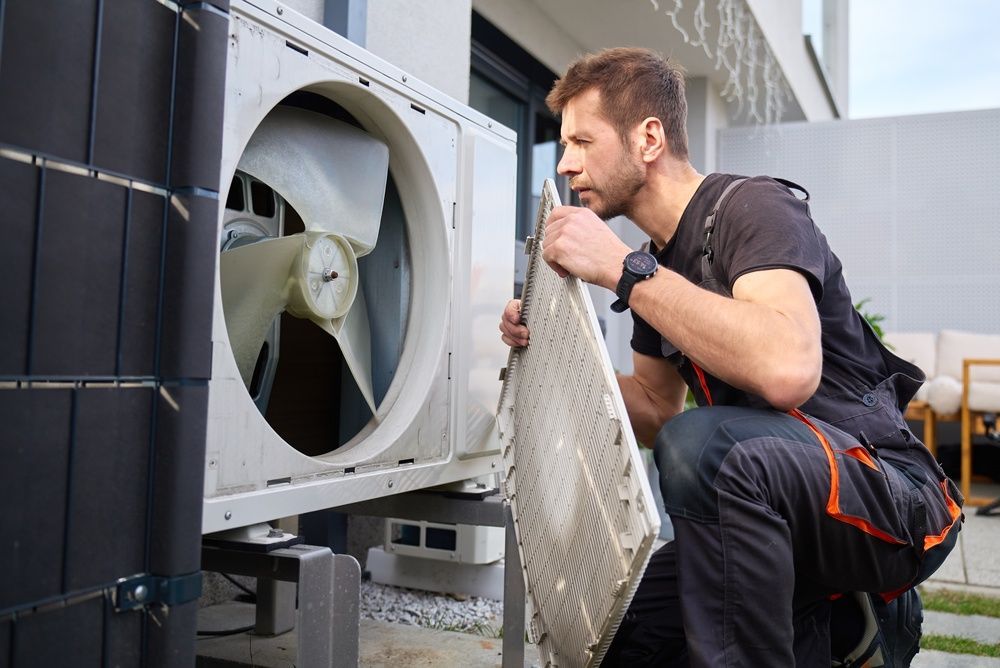
HVAC services include system installation, repair diagnostics, and preventative maintenance that identifies worn components before they fail. Electrical work covers troubleshooting, lighting upgrades, panel replacements, wiring for additions, and code-compliant installations that meet current safety standards and load requirements. Energy-efficient systems reduce monthly operating costs while delivering consistent temperature control across all rooms and floors.
Request an HVAC inspection to assess system efficiency and identify components nearing the end of their service life.
What Code-Compliant HVAC and Electrical Work Involves
Proper HVAC installation begins with load calculations that determine the heating and cooling capacity required for your building's square footage, insulation levels, and window exposure. Undersized systems run continuously without reaching set temperatures, while oversized units cycle on and off too frequently, reducing efficiency and shortening compressor life. Electrical panel upgrades involve evaluating existing load, adding circuits for new appliances or HVAC equipment, and ensuring that breaker sizing matches wire gauge to prevent overheating.
After installation, your property maintains even temperatures throughout occupied spaces, electrical outlets and fixtures function without tripping breakers, and lighting levels match task requirements in work areas and gathering spaces. Thermostats respond accurately to temperature changes, and airflow reaches all rooms without hot or cold spots caused by improper duct sizing or blocked returns.
Preventative maintenance options include filter replacement, refrigerant level checks, duct inspection for leaks, and electrical connection tightening that prevents arcing and component failure. Regular service reduces the likelihood of mid-season breakdowns and extends equipment life by addressing minor issues before they escalate into expensive emergency repairs during peak heating or cooling demand.
Answers to Common HVAC and Electrical Questions
Property owners preparing for HVAC or electrical work often have questions about system sizing, maintenance intervals, and upgrade timing before committing to installation or service contracts.
How is HVAC system capacity determined for a cabin or home?
Contractors calculate heating and cooling loads based on square footage, ceiling height, insulation R-values, window area, and local climate data to ensure the system handles peak demand without oversizing.
What does preventative HVAC maintenance include?
Service visits typically involve filter replacement, coil cleaning, refrigerant level verification, blower motor inspection, thermostat calibration, and safety control testing to confirm reliable operation before heating or cooling season begins.
When should an electrical panel be upgraded?
Panel replacement becomes necessary when adding high-draw appliances like HVAC systems or electric vehicle chargers, when existing panels contain outdated fuse boxes or insufficient circuit capacity, or when breakers trip frequently under normal loads.
Why do some rooms stay warmer or cooler than others?
Uneven temperatures often result from blocked return vents, undersized ductwork, insufficient insulation, or thermostat placement in areas that don't reflect the overall building temperature, requiring airflow balancing or duct modification.
How does Gatlinburg's elevation and weather variability affect HVAC sizing?
Mountain locations experience wider temperature swings between day and night, and heating loads increase at higher elevations due to colder winters, requiring systems designed for extended heating cycles and rapid temperature recovery.
Dream Builder Construction offers HVAC and electrical estimates for properties planning system replacements, additions, or energy-efficient upgrades. Contact our team to schedule a service call or discuss installation options tailored to your property's heating, cooling, and electrical needs.