
Dream
Builder Construction
Water Quality That Protects Appliances and Health
Water Purification & Treatment Systems in Gatlinburg for properties relying on well water, homes with sediment issues, and facilities requiring consistent water quality
Well water in East Tennessee frequently contains sediment, iron, sulfur, and hardness minerals that stain fixtures, clog aerators, and reduce appliance lifespan. Dream Builder Construction installs whole-house water purification and filtration systems, performs ongoing maintenance, and handles filter replacement for homes and businesses throughout Gatlinburg. Custom filtration recommendations address specific water conditions identified through testing, ensuring that treatment systems remove contaminants without restricting water pressure or requiring excessive maintenance.
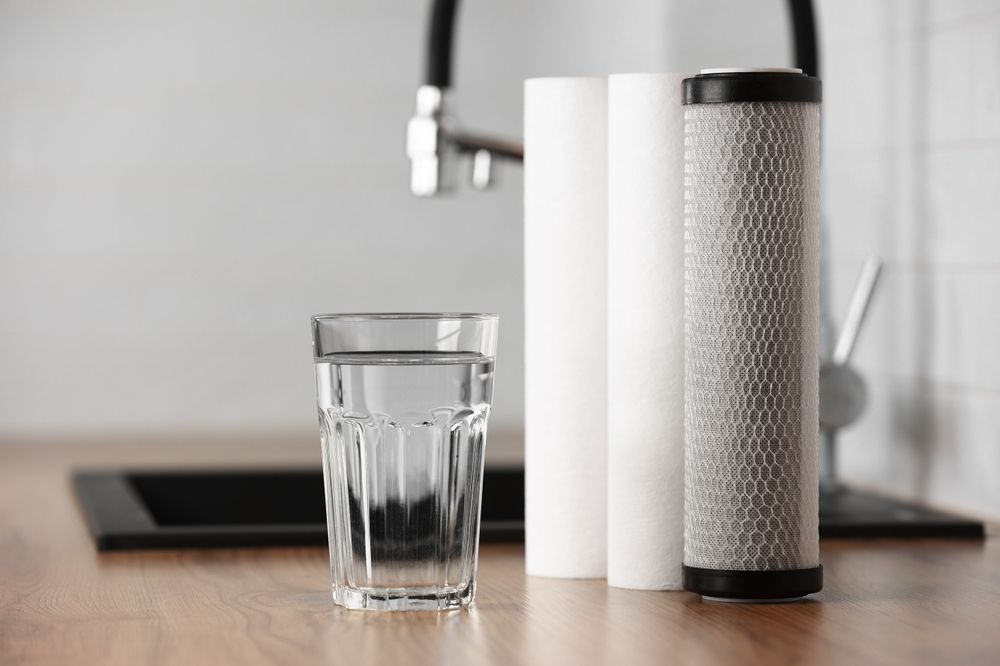
Water treatment system installation involves testing source water to identify contaminants, selecting filtration media or purification technology matched to those contaminants, and sizing equipment based on household or facility water usage. Systems may include sediment filters, carbon filtration for taste and odor, water softeners for hardness minerals, or ultraviolet sterilization for bacterial concerns in untreated well water.
Schedule a water testing consultation to identify contaminants affecting your property's water quality and appliance performance.
What Proper Water Treatment Actually Accomplishes
Whole-house water treatment removes contaminants before they enter plumbing fixtures, water heaters, washing machines, and dishwashers. Sediment filtration captures particles that would otherwise settle in tank bottoms, clog valve screens, and abrade pump seals. Carbon filtration removes chlorine, volatile organic compounds, and dissolved gases that affect taste and odor, while water softeners exchange calcium and magnesium ions for sodium, preventing scale buildup in pipes and on heating elements.
Once your system is operational, you notice clearer water without visible sediment, improved taste, and reduced staining on sinks and bathtubs. Soap lathers more easily in softened water, and appliances like water heaters and dishwashers operate more efficiently without scale accumulation on heating elements. Coffee makers, ice machines, and humidifiers last longer when supplied with filtered water that doesn't deposit mineral residue during evaporation.
Filter replacement schedules depend on water usage volume and contamination levels, with sediment filters typically requiring replacement every three to six months and carbon filters lasting six to twelve months. Water softener resin beds need periodic regeneration using salt, and brine tank levels should be monitored to maintain continuous soft water delivery without breakthrough hardness during high-demand periods.
Questions Before Starting Your Water Treatment Project
Homeowners and business operators considering water treatment installations often want clarity on system selection, maintenance responsibilities, and expected improvements before committing to equipment purchases.
What does water testing reveal before treatment system selection?
Testing identifies specific contaminants such as iron, manganese, hardness minerals, bacteria, pH imbalances, and total dissolved solids, allowing contractors to recommend filtration or treatment methods that address your property's actual water chemistry rather than guessing at solutions.
How does a whole-house system differ from point-of-use filters?
Whole-house systems treat all water entering the building, protecting appliances and providing filtered water at every tap, while point-of-use filters installed under sinks or on shower heads treat only water at that specific location.
When should filters be replaced in a water treatment system?
Replacement intervals vary based on water usage and contamination load, but most sediment filters need changing every three to six months, carbon filters annually, and water softener resin beds regenerate automatically on timed or demand-based cycles.
Why do well systems in Gatlinburg often require treatment?
Mountain well water frequently contains sediment from rock formations, iron that stains fixtures orange or brown, and hardness minerals that form scale, making whole-house treatment necessary for appliance protection and improved water quality.
What maintenance does a water softener require?
Softeners need regular salt refills to regenerate resin beads, periodic brine tank cleaning to remove sediment buildup, and occasional resin bed replacement when ion exchange capacity declines after years of use.
Dream Builder Construction provides water purification consultations for properties experiencing water quality issues or planning system installations. Arrange a water test and filtration assessment to determine which treatment approach best suits your property's water conditions and usage requirements.